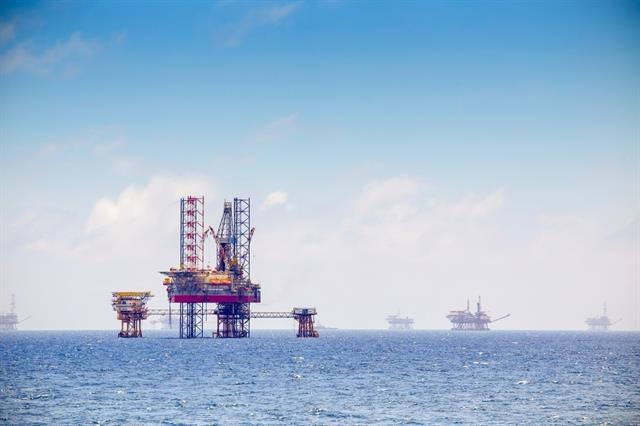
The group will prioritise its core exploration and production (E&P) activities, including reserve replacement, production from existing fields, development of new projects and opportunities to acquire producing assets, according to Petrovietnam.
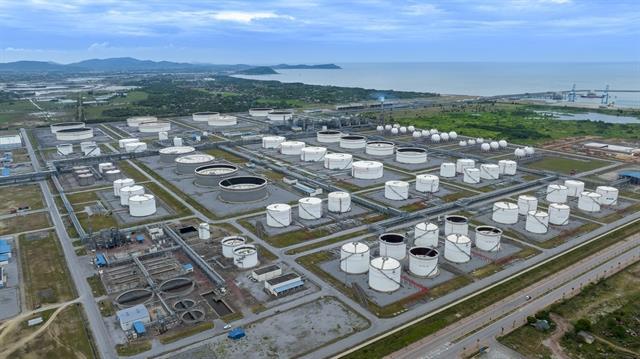
Việt Nam is considering tripling the planned capacity of national crude oil reserves as it seeks to raise strategic stocks to 90 days of net imports by 2030, while also expanding petroleum links with Laos.
The plan included 22 reserve departments in cities and provinces across the country, who are put in charge of 196 bidding packages to purchase domestically produced, long grain 15 per cent broken rice, milled from the 2024 Spring harvest.
Viet Nam must invest to raise its fuel reserve capacity, said economists and policymakers during a conference discussing how to encourage investment from the private sector in fuel infrastructure and to stabilise fuel supply and demand.
The State Bank of Vietnam (SBV) last month bought about US$0.65 billion, bringing Viet Nam''s foreign exchange reserves to $92.43 billion, according to the BSC Securities Company (BSC).
Viet Nam''s foreign exchange reserves will recover to the level of three months of imports and reach $102 billion by the end of this year from the current level of $89 billion.
For the first time, contractors who signed deals with the General Department of State Reserves will be rated using a credit system reflecting their ability and commitment to deliver on contracts.
The international reserves held by the State Bank of Viet Nam (SBV) were equal to US$92billion at the end of August, up from $80 billion at the end of December.
The retail prices of petrol fell by more than VND600 per litre on Monday following the latest adjustment by the Ministry of Industry and Trade and the Ministry of Finance.